Make fleet power a decision
you can document.
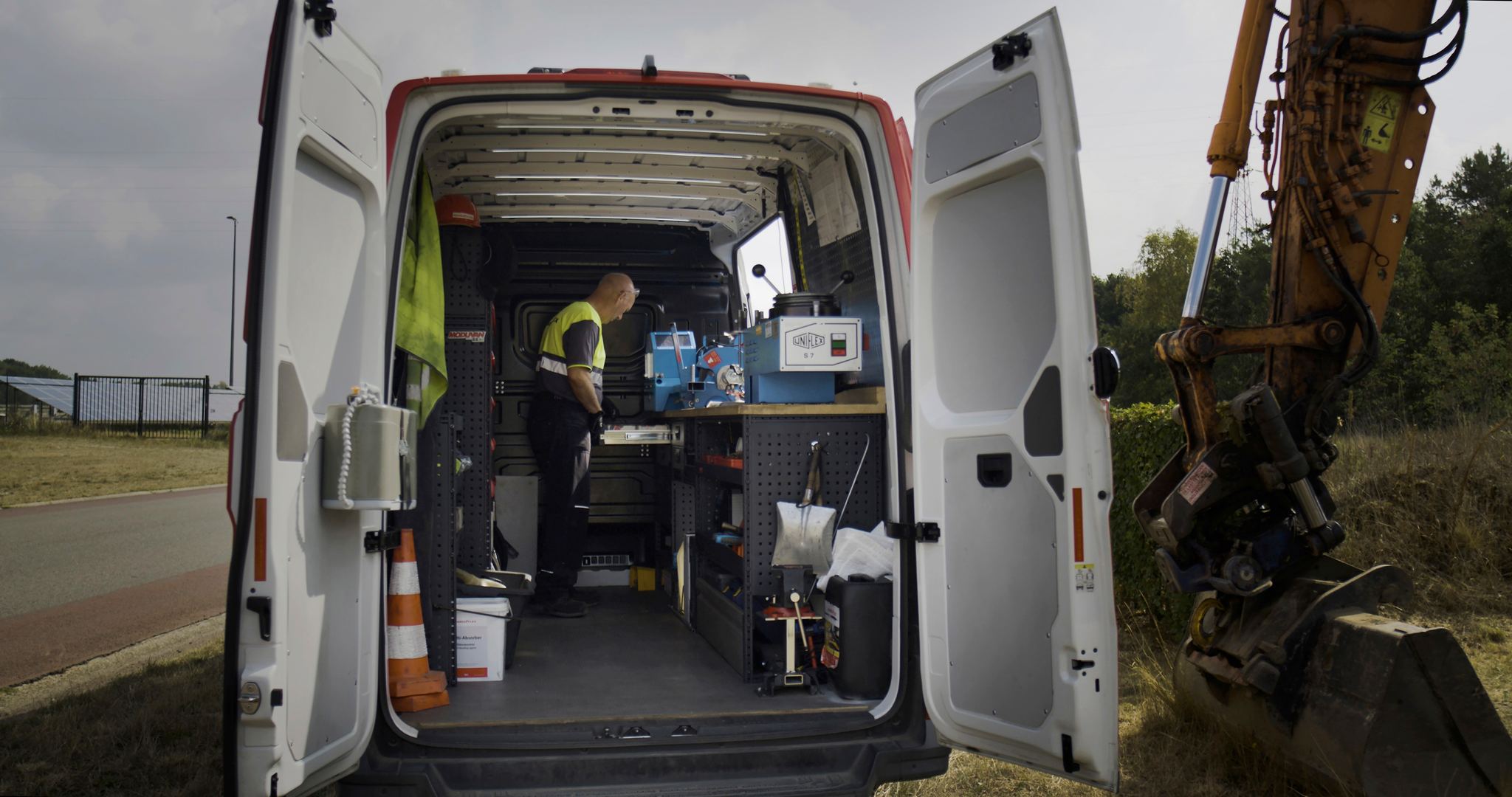
Reliable operations, clear documentation and a stronger basis for future decisions.
Managing a fleet means making decisions that affect people, operations, costs and long-term priorities. Without a clear overview, it can be difficult to know where to start and how to document the value of the solution.

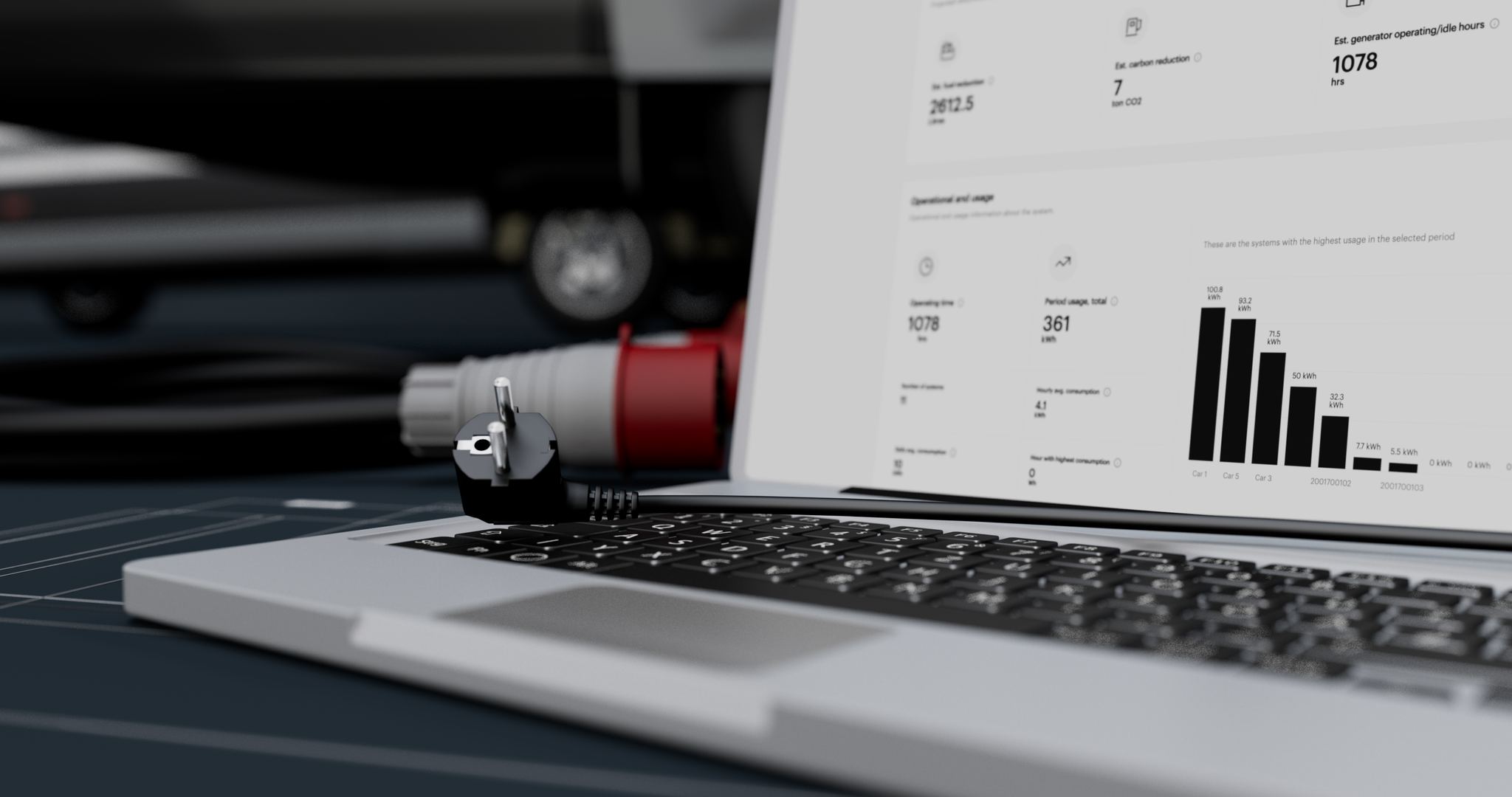
What your team gains
More control, clearer documentation and a stronger fleet strategy.
With Clayton Power, you can move from individual vehicle needs to a more structured fleet approach.
Your teams get power that supports their daily work. You get the data and control you need to plan, report and scale with confidence.
Typical ambitions.
Lower emissions. Less idling. Lower carbon. Lower total cost. Optimise energy and operations. Document real impact. Make data-driven decisions.
From need to fleet solution.
Clayton Power helps you define onboard power solutions that support both daily operations and strategic decision-making.
Start with selected vehicles, test the solution in real conditions and use what you learn to create a stronger rollout plan. Your teams get a practical solution that works in the field, and management gets a better foundation for decisions about investment, implementation and future fleet development.
Step 1
Map the fleet’s needs
Identify which vehicles need power, what they need to power and how they are used.
Step 2
Define standard setups
Create one or more repeatable configurations based on vehicle type and application.
Step 3
Test in real operation
Validate the solution in selected vehicles and gather feedback from the people using them.
Step 4
Scale with documentation
Roll out the solution more broadly with a stronger basis for decisions.
Proof in the field
See how teams use Clayton Power
in daily operation.
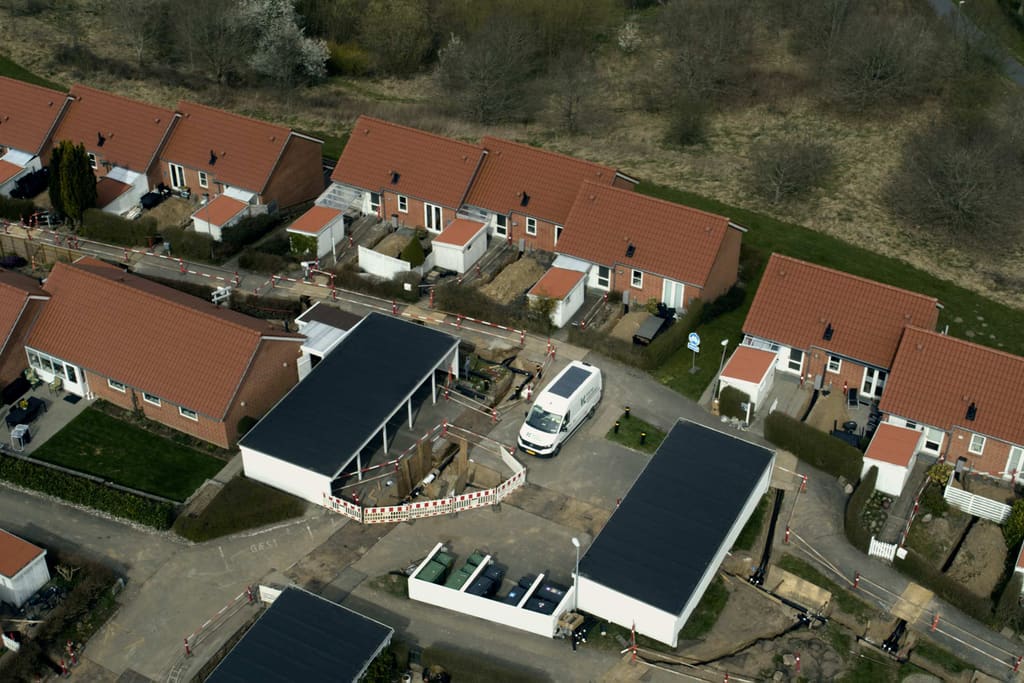
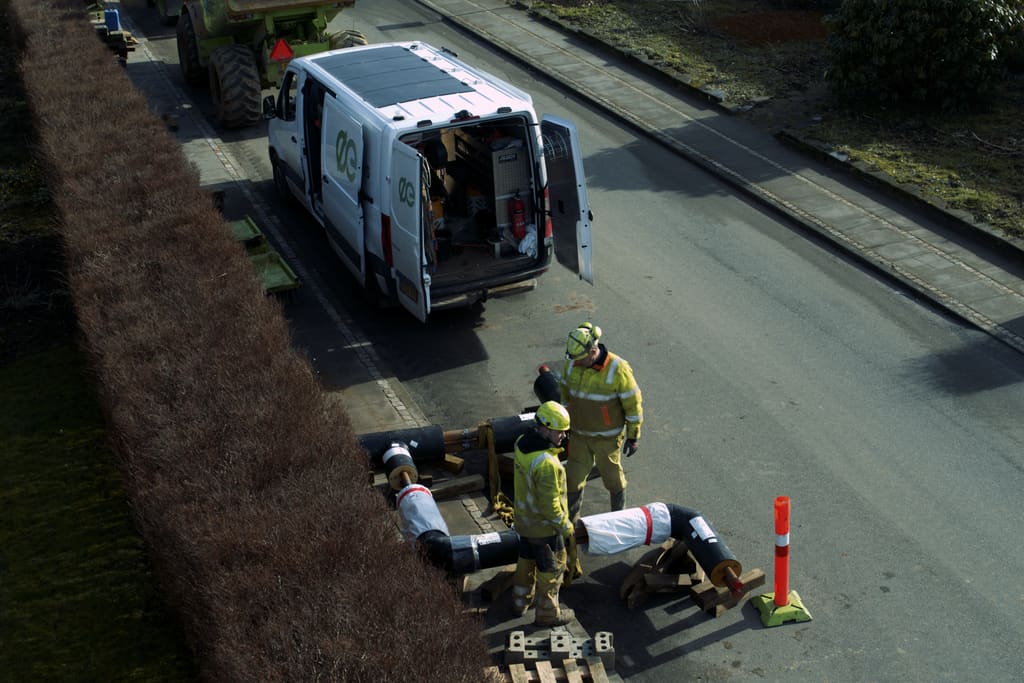
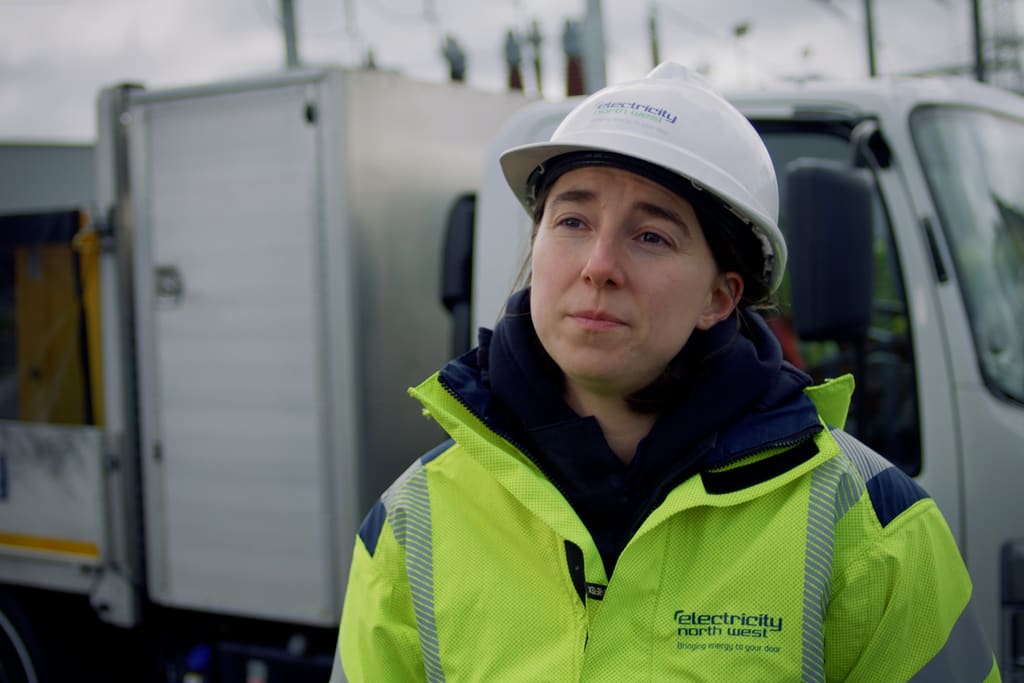
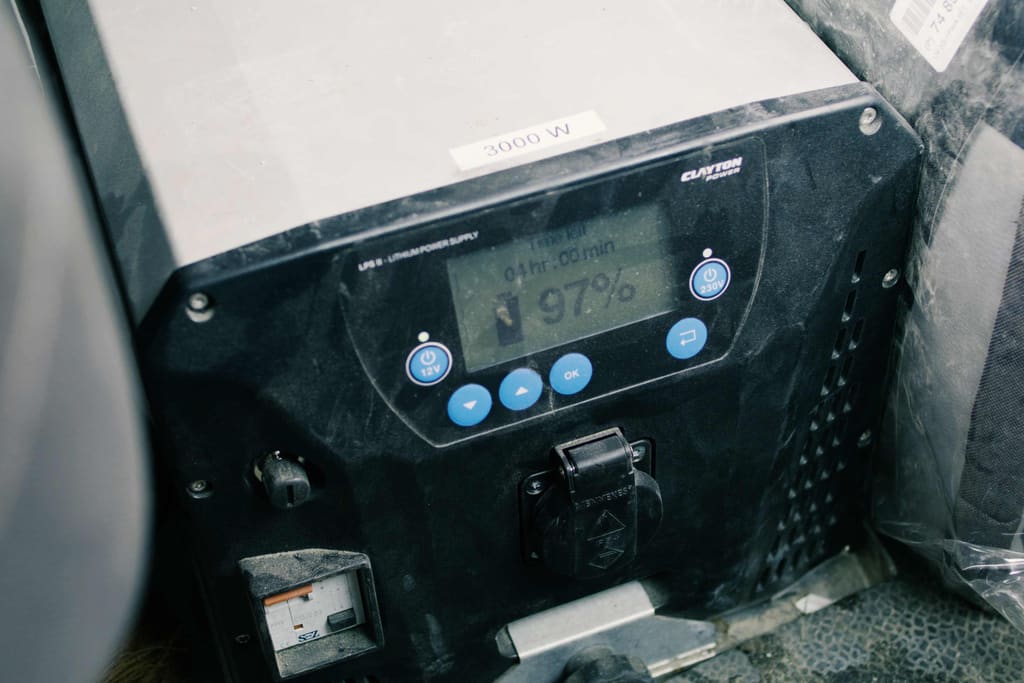
Real examples of how mobile teams use Clayton Power to support reliable operation, reduce their reliance on generators, and make service vehicles more capable in daily work.


Make fleet power a decision you can document.
Reliable operations, clear documentation and a stronger basis for future decisions.